On July 8, Zeng Zemin, Executive Vice Chairman of the China Musical Instrument Association, along with Vice Chairmen Wang Songmei and Sun Ruiyong, and Secretary-General Chen Jinwu, paid a fact-finding visit to Suning and Shenzhou in Hebei Province. The delegation sought to gain an understanding of the local musical instrument industry’s development and to support efforts to enhance production standards and promote high-quality industrial growth. The inspection team visited Xinghai Piano (Hebei) Co., Ltd., Lehai Musical Instruments Co., Ltd., and Hebei Huasheng Musical Instrument Manufacturing Co., Ltd.
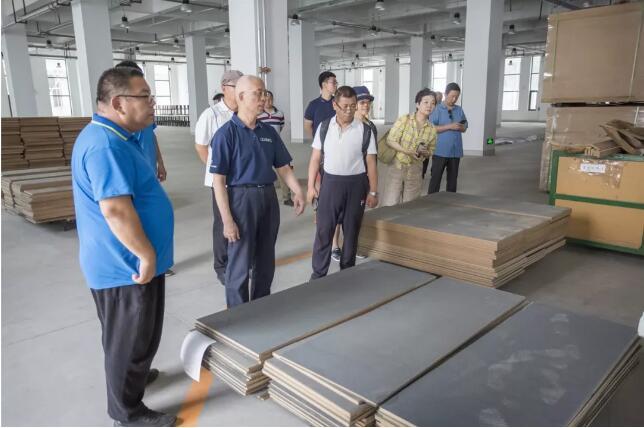
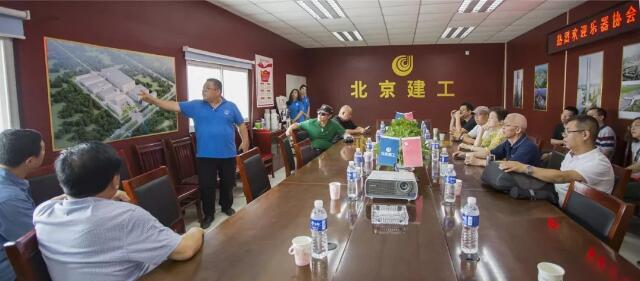
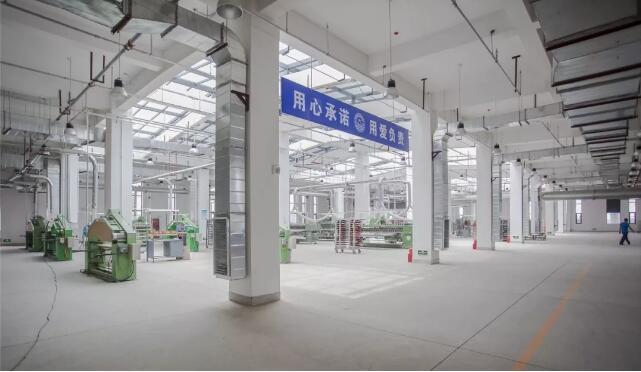
Accompanied by Zhang Jinpeng, Executive Deputy General Manager of Xinghai Piano (Hebei) Co., Ltd., a site visit was conducted, during which the first-phase factory buildings, warehouses, and ancillary facilities were inspected. At the subsequent symposium, Executive Deputy General Manager Zhang Jinpeng stated that, in response to policies promoting coordinated development among Beijing, Tianjin, and Hebei—such as the orderly relocation of non-capital functions from Beijing—and leveraging the policy advantages of the Xiong’an New Area, Xinghai Company has decided to build a new production base in the Suning Economic Development Zone of Hebei, creating a complementary production system that synergizes with its existing campus. According to the briefing, the Xinghai Piano Suning Production Base covers a total land area of 55,000 square meters, with a designed floor space of approximately 80,000 square meters. Upon completion, the facility will have an annual production capacity of 20,000 pianos, 10,000 Western wind instruments, and 5,000 digital keyboard instruments, generating an annual output value of RMB 280 million. The first phase of the project is primarily dedicated to manufacturing piano casings; all equipment has now been installed, and commissioning and employee training are underway. Meanwhile, the main structure of the second phase is currently under construction, with completion expected by November. After hearing Zhang Jinpeng’s presentation, Executive Vice Chairman Zeng Zemin remarked that Xinghai Piano’s establishment in Suning represents a pivotal step in the company’s transformation and upgrading. For relocating enterprises to achieve sustained growth, talent is paramount. First, it is essential to properly reassign existing employees, particularly technical core personnel, helping them quickly grasp the company’s clear development goals, prospects, and phased implementation roadmap, while fostering a “family‑like culture” within the organization to minimize the adverse impact of talent attrition on production and operations. Second, rigorous technical training for new hires must be prioritized, enabling them to better appreciate the cultural heritage of the Xinghai Piano Group, strengthen corporate cohesion, and drive high‑quality enterprise development.
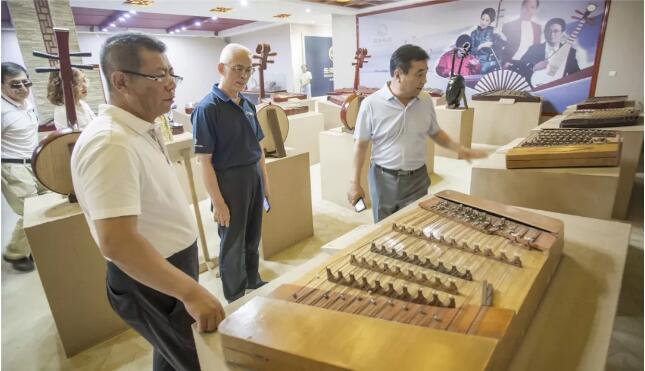
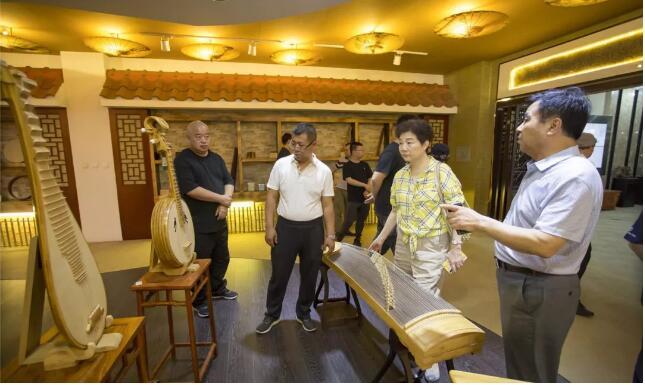
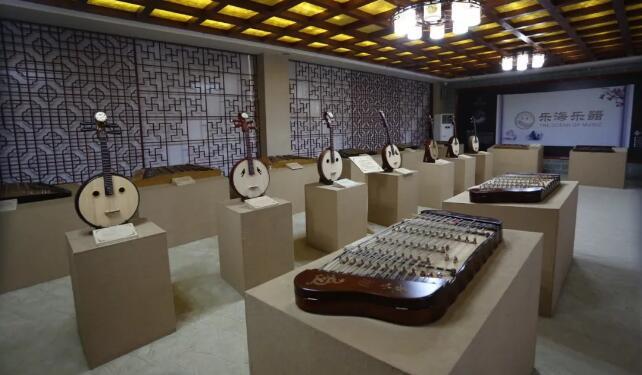
Also located within the Suning Musical Instrument Cultural Industrial Park is Lehai Musical Instrument Group. Accompanied by the group’s chairman, Song Congjia, the delegation visited both the new factory complex under construction and the R&D center at the existing site. Starting 30 years ago in modest, rudimentary facilities, Lehai has, under Chairman Song Congjia’s leadership, steadily grown into a leading enterprise in the national musical instrument industry and earned its place as a “National Cultural Industry Demonstration Base.” In Chairman Song’s view, the company has reached a critical juncture, making transformation and upgrading an inevitable step. The company places great emphasis on cultural heritage, strengthening the cultural attributes of its products to enhance their added value and deeper cultural resonance. It has established a provincial-level musical instrument R&D center, master‑craftsman workshops, and performers’ studios, and has partnered with the China Conservatory of Music and Nanjing University of the Arts to set up design centers, fostering multi‑level collaborations. At the same time, the company has modernized its production equipment, enabling technology to play an even more pivotal role in manufacturing; to date, Lehai has obtained over 70 national patents. The delegation commended and endorsed Lehai’s approach—building on the fine traditions of Chinese national instrument making, preserving handcrafted qualities while pursuing technological modernization and implementing a standardization strategy—and expressed hope that, in the future, Lehai will continue to explore and put into practice innovative pathways for the modernization of national instruments.
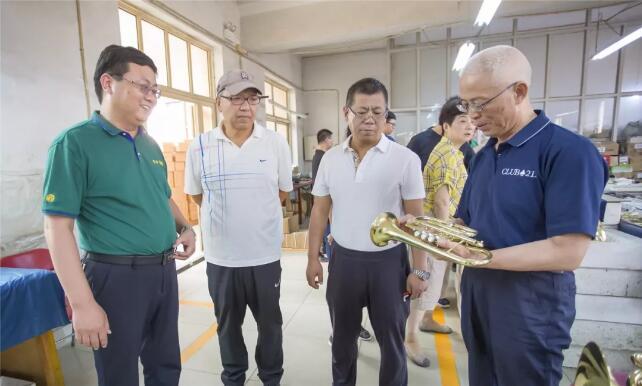
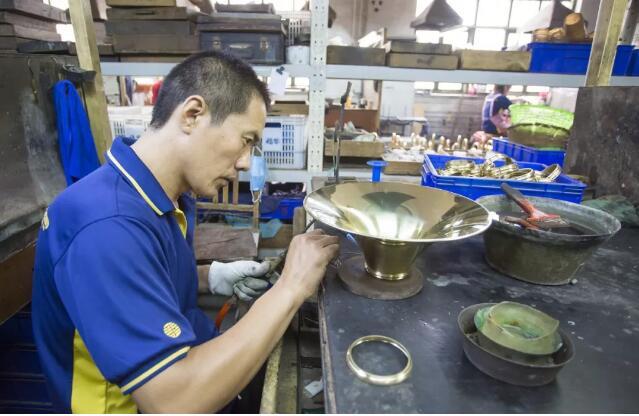
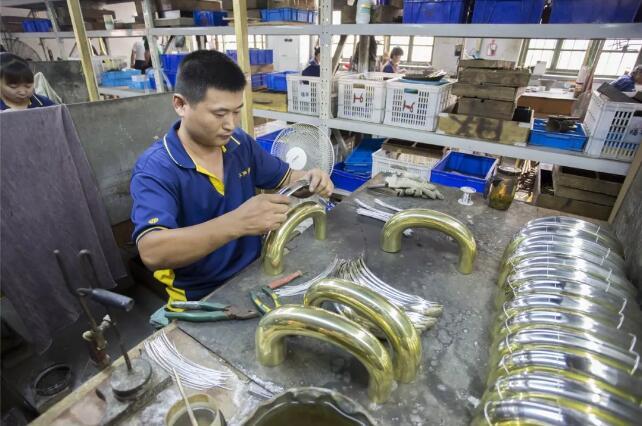
In 2018, the Hengshui Development and Reform Commission listed ten small-town projects among its key initiatives, including the Shenzhou Musical Instrument Town. To this end, a delegation visited Shenzhou to conduct on-site research, examining the region’s leading enterprise, Hebei Huasheng Musical Instrument Manufacturing Co., Ltd., as well as the musical‑instrument town project currently under construction. Founded in 1970, Hebei Huasheng Musical Instrument Manufacturing Co., Ltd. is a specialized manufacturer of wind instruments under the “Huasheng” and “Huashen” brands. Eighty percent of its products are exported to dozens of countries and regions across Europe, North America, and Asia. During the symposium, the delegation engaged in an in-depth discussion with General Manager Zhang Ligen on the impact of the U.S.–China trade war—specifically, the additional 25% tariffs imposed by the United States—on the company; the company’s actual situation following the national adjustment of VAT rates; and its progress in environmental protection. Mr. Zhang noted that, historically, the company has been highly dependent on exports, and the trade conflict has adversely affected its financial performance. In response, the company is actively reshaping its operations, accelerating transformation and upgrading, and building and promoting two proprietary brands, “Huasheng” and “Huashen.” Meanwhile, land acquisition for the new project has been successfully completed, with approximately 80 mu allocated for a new factory complex and supporting facilities. After hearing General Manager Zhang Ligen’s presentation, Executive Vice Chairman Zeng Zemin emphasized that Huasheng Musical Instruments should, on the basis of its existing strengths, intensify technological upgrades and equipment modernization, deepen R&D efforts, expand production capacity, enhance both output and product quality, and bolster its market competitiveness. The commencement of the new project marks Huasheng Musical Instruments’ entry into a new phase of development.
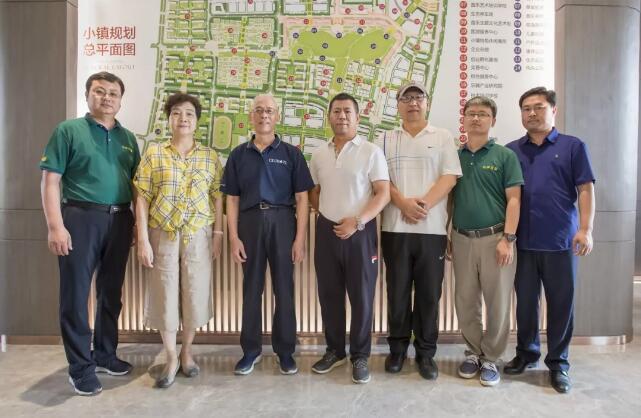
Finally, the delegation conducted an on-site visit to the Shenzhou Musical Instrument Town project, which is currently under development. Relevant officials provided a detailed overview of the town’s master plan, its strategic positioning, and its integrated industry‑university‑research‑application value chain, highlighting its focus on mid‑to‑high‑end instrument manufacturing and talent attraction. Executive Vice Chairman Zeng Zemin expressed the hope that the project would be market‑driven, anchored in the musical instrument industry, and guided by principles of internationalization and a commitment to mid‑to‑high‑end excellence, advancing in phased, orderly stages while seeking the support of provincial and municipal leaders and relevant government departments.